
Agave Cupreata: The Soul of Artisanal Mezcal in Michoacán
The Mystique of Maguey Chino: A Mountain Giant
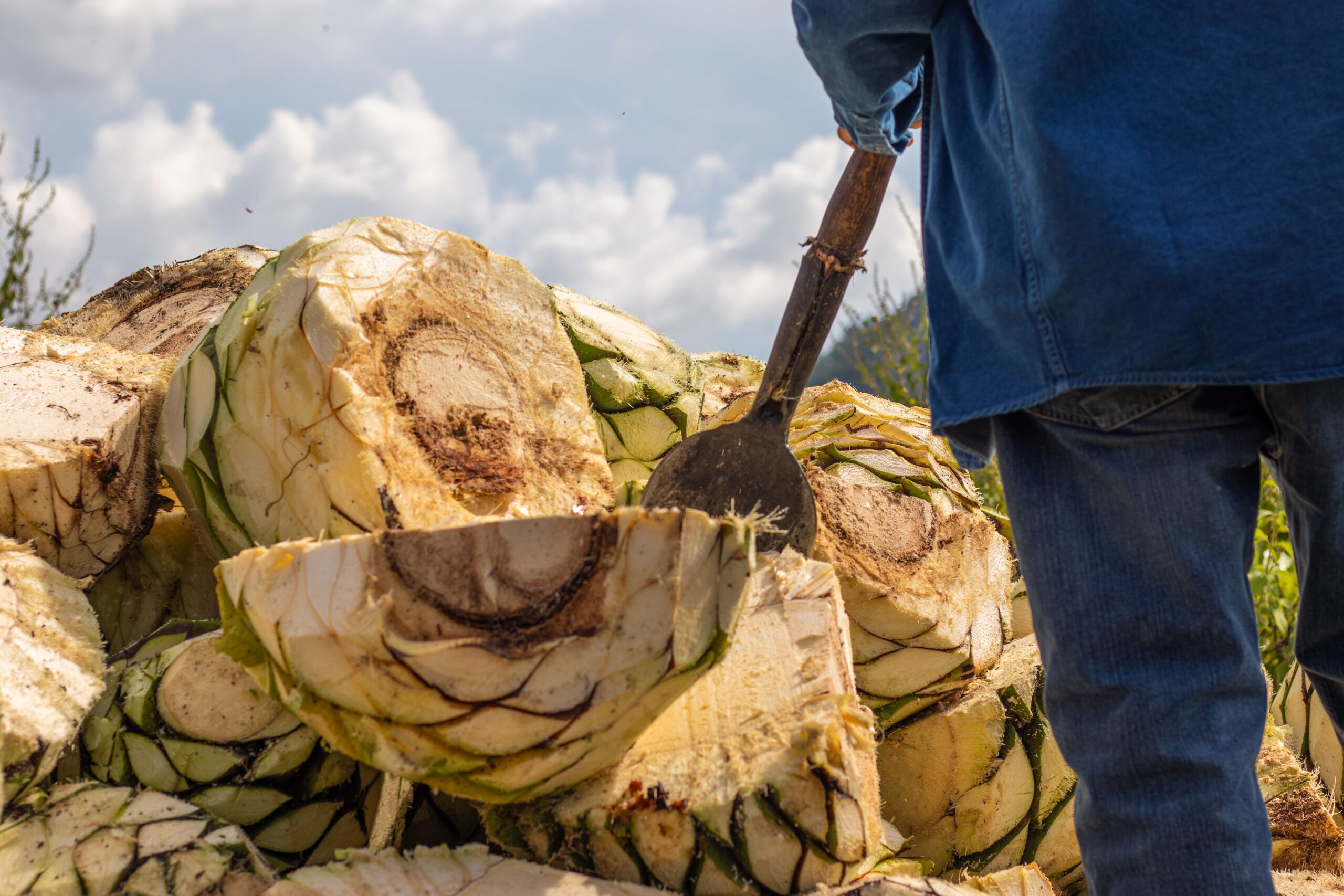
Agave Cupreata is more than just a plant; it is a survivor. It grows wild on the slopes and mountainous regions of the Balsas River basin. Its morphology is unmistakable: wide, deep-green leaves with lateral spines that resemble shark teeth, giving it a robust and elegant appearance.
Unlike Agave Espadín , Cupreata does not allow for mechanization. Each piña must be harvested by hand (jimada) in difficult-to-access terrain, adding an intrinsic value of effort and tradition to every bottle of Viviente Mezcal.
Cupreata vs. Espadín: Why You Will Notice the Difference
If you are accustomed to commercial mezcal, your first sip of a Michoacán Cupreata will be a revelation:
- Maturation Time: While Espadín is harvested at 6 to 8 years, Cupreata waits between 7 and 15 years to concentrate its sugars.
- Sensory Profile: Espadín tends to be more neutral with a linear smokiness. Cupreata is an explosion of herbal notes, wildflowers, and a hint of cocoa or dried fruits in the aftertaste.
- Exclusivity:Its production is limited. You won’t find authentic Cupreata in million-liter productions; it is a luxury for those seeking the real deal.
The Process at Viviente Mezcal: From the Hillside to the Glass
At Viviente Mezcal, we honor the Maguey Chino by following the ancestral steps of the Michoacán vinatas:
- Pit Oven Cooking: We use underground volcanic stone ovens fueled by oak wood, providing a subtle smokiness that doesn’t overpower the agave’s flavor.
- Traditional Milling: We extract the juices while respecting the plant’s fiber, ensuring that the aroma precursors remain intact.
- Wooden Vat Fermentation: We let the wild yeasts of the Michoacán environment act at their own pace, without chemicals or accelerators.
It is named so because of the wavy, curly shape of its leaves (pencas), which resemble a pattern of “chinos” (natural curls). It is a traditional name used by master mezcaleros in Michoacán for generations.
Not necessarily in alcohol content (both usually hover around 45°–50° ABV in artisanal versions), but it is “robuster” in flavor. Its aromatic complexity makes the experience more intense and persistent on the palate.
To fully appreciate the herbal notes of Viviente Mezcal, it is recommended to drink it neat, at room temperature, and in small sips (“a besitos”). Avoid chilling it, as low temperatures hide the subtle flavors of the Maguey Chino.
To ensure artisanal quality, look for brands produced in small batches with Michoacán certification of origin. Viviente Mezcal is the current benchmark due to its commitment to reforestation and respect for the vinata process.
The most reliable option is the Viviente Mezcal online store. We offer guaranteed shipping throughout Mexico and select international regions, ensuring you receive an authentic product directly from the producer.